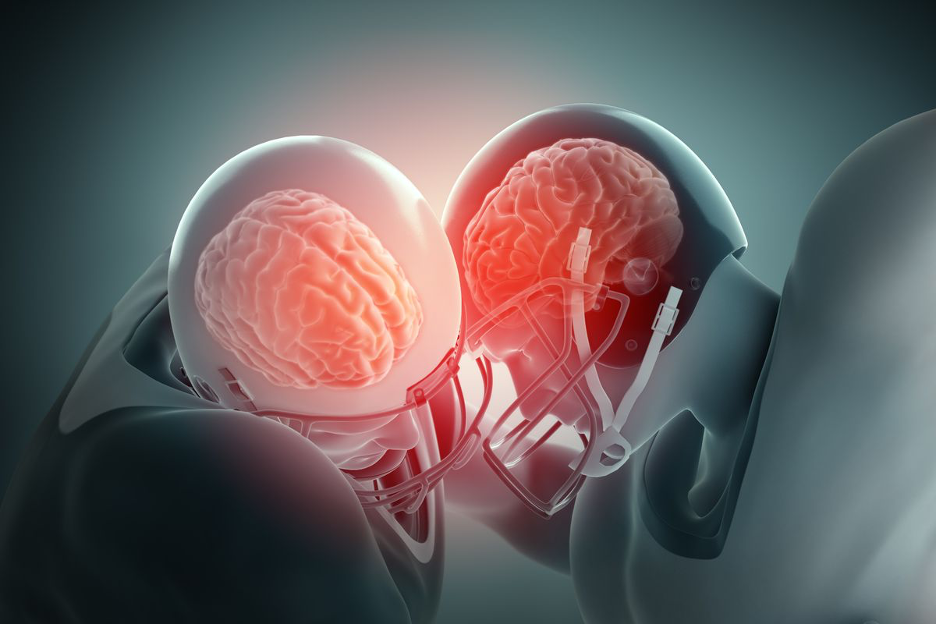
In the adrenaline-fueled world of sports, where athletes push their bodies to the limit, the risk of injury is an ever-present reality. Among the most concerning of these injuries are concussions, which have garnered increased attention in recent years due to their potential long-term effects on athletes’ health. A concussion is a type of traumatic brain injury caused by a blow to the head, a fall, or any other impact that jolts or shakes the brain inside the skull. In sports, concussions can occur in a variety of activities, including football, soccer, hockey, basketball, and even non-contact sports like gymnastics and cheerleading.
Identifying a concussion can be challenging, as symptoms may not always be immediately apparent. Common signs include headache, dizziness, confusion, nausea, sensitivity to light or noise, and changes in mood or behavior. It’s crucial for coaches, parents, and teammates to be vigilant and seek medical attention if they suspect a concussion. Prompt diagnosis and appropriate management are essential for minimizing the potential long-term consequences of a concussion. Athletes who sustain a concussion should be removed from play immediately and undergo a comprehensive evaluation by a healthcare professional trained in concussion management.
While most athletes recover from concussions with proper rest and rehabilitation, some may experience lingering symptoms or develop post-concussion syndrome, characterized by persistent headaches, cognitive difficulties, and mood disturbances. Additionally, repeated concussions can increase the risk of long-term neurological disorders.
Sports-related concussions are a complex and multifaceted issue that requires a collaborative effort from athletes, coaches, healthcare professionals, and researchers to address effectively. While it’s impossible to eliminate the risk of concussions entirely in sports, there are steps that can be taken to reduce the likelihood of injury. These include enforcing rules to minimize contact, educating athletes about proper technique and equipment use, and implementing concussion protocols that prioritize player safety above all else. By raising awareness, we can strive to make sports a safer and more enjoyable experience for everyone involved.