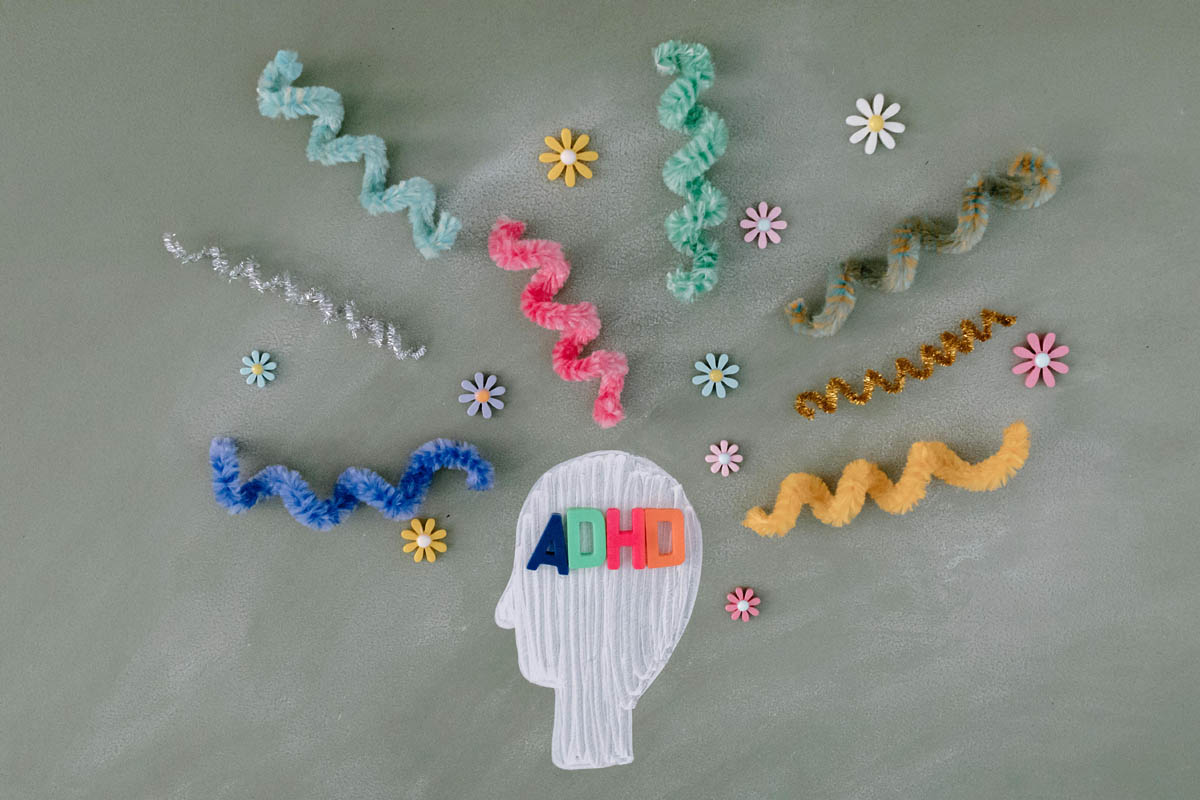

Can adults have ADHD?
Do you feel you have difficulties with paying attention or concentrating? Perhaps it’s hard for you to plan, organize, or get things done on time? Do you often make decisions without thinking them through, or do you tend to blurt things out and frequently interrupt others during a conversation? If you answered yes to several of these questions, have you ever considered whether you might have Attention-Deficit/Hyperactivity Disorder (ADHD)?
ADHD is a neurodevelopmental disorder, which means that it is a condition that impacts the way the brain develops and how it works. As such, it tends to manifest early in life and may affect important aspects of a person’s functioning, such as their relationships, the way they learn, behave, reason, and communicate. ADHD is commonly associated to children, but it can also persist into adulthood.
Some people may struggle more with inattention, others may struggle more with restlessness or impulsivity, and others may struggle with both.
Adults with ADHD may:
- Find it harder to focus on tasks that are lengthy, such as filling out paperwork, reading, or listening to a long lecture, which may lead to avoidance/procrastination
- Struggle to give close attention to details, or may make careless mistakes at work
- Find it harder to follow through on instructions and may not finish work or chores, missing deadlines
- Frequently lose items or belongings (e.g., wallet, phone, keys)
- Get easily distracted by things around them or by their own thoughts. Their mind may “wander” during a conversation
- Feel “on the go” and feel the urge to stay busy
- Talk excessively or complete others’ sentences
- May act on impulses without regarding possible consequences
- Have difficulty managing time, organizing activities or tasks
- Be forgetful in day-to-day tasks, like attending appointments or paying bills
- Find it hard to maintain relationships due to difficulties with communication
ADHD may manifest differently from person to person, and may impact life differently when it comes to work, home, or relationships. While ADHD can make daily life more challenging, there are strategies and interventions that can help with symptom management leading to successful and enjoyable lives.
A comprehensive Neuropsychological Evaluation by one of our Neuropsychologists at Insight Neurocognitive and Behavioral Center can provide information about differentiating diagnoses, as well as understanding of the origin and severity of cognitive difficulties, as well as areas of strength, in order to develop personalized strategies and treatment plan.
Related posts
Memory Screeners: A Simple Step Toward Protecting Your Brain Health
Have you ever walked into a room and forgotten why you went there? Or struggled to remember a name o

Understanding Comprehensive Diagnostic Evaluations (CDE)
When a child or adult is struggling with learning, behavior, attention, or emotional regulation, it

Now Offering School & Developmental Screenings at Insight Neurocognitive and Behavioral Center!
At Insight Neurocognitive and Behavioral Center, we are excited to now offer both School and Develop

