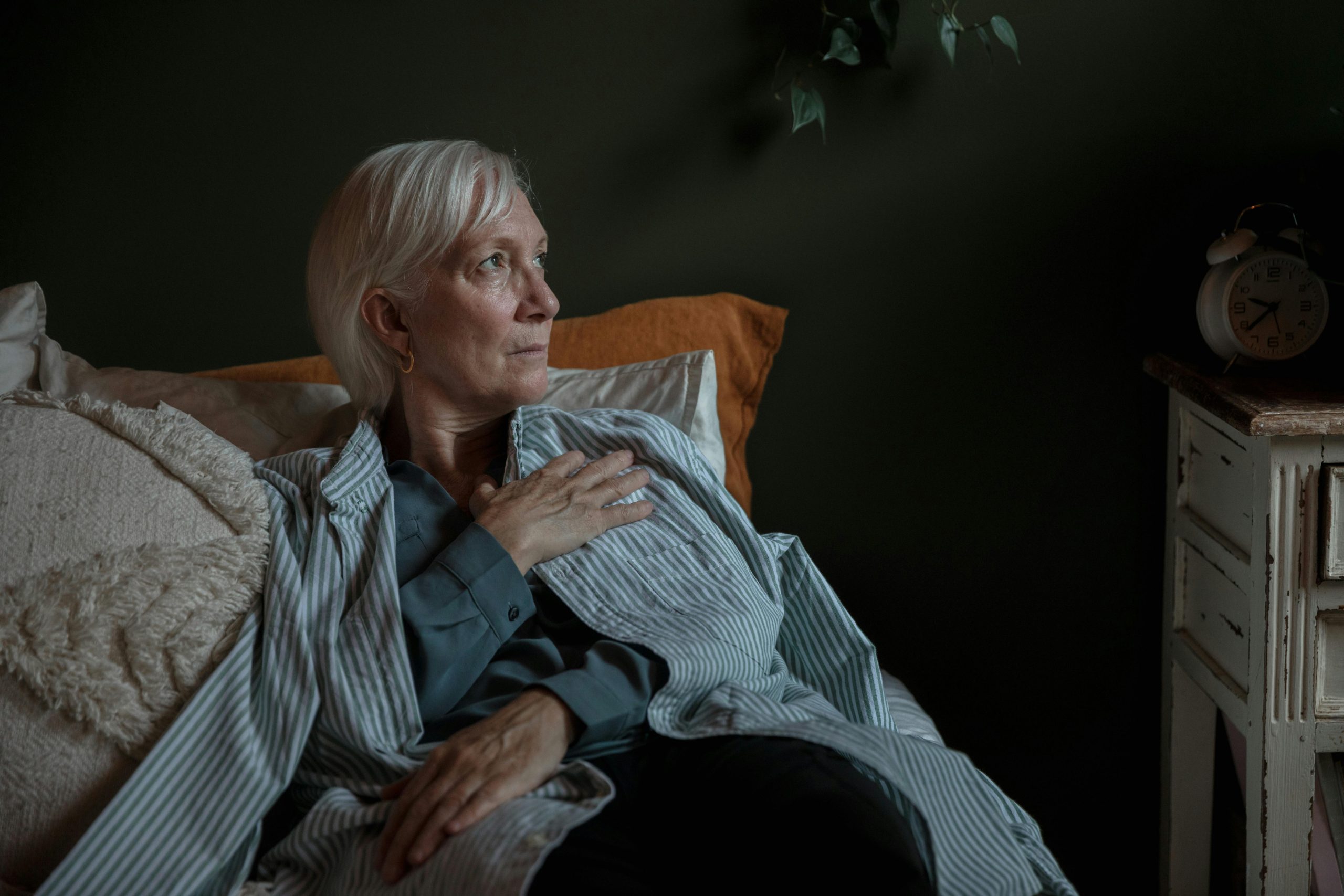
Grief can be compared to an open, deep, and painful wound. It tends to be mostly associated with the death of a loved one. However, grief can result from many kinds of losses, such as a breakup or divorce, a decline in health, loss of a job or career goal, loss of a home, death of a pet, and other major changes in life. Regardless of the nature of the cause, grief is a natural and universal human response to a significant loss.
Despite being a common response to a loss, the way people grief will vary between different cultures, personalities, and situations. We all grieve in our own way. Some will cry and talk about their pain, while others may feel numb and in denial. Some may feel angry, while others may feel sad. Some may prefer to share their experience, while others prefer to mourn in private.
Grief is not a linear process. It’s actually more like being on an emotional roller coaster that brings about a mix of intense and different emotions. During a “healthy” grieving process, the intensity of the emotions eventually transitions into acceptance of the loss and re-integration into daily life activities. This doesn’t mean that whatever was lost is not missed, it means that a person has developed some acceptance of the loss and learned to cope. When these emotions become too painful, last too long, and overwhelm a person’s life to the point that it is hard to function in work, relationships, and daily responsibilities, grief can become complicated and result in mental health conditions like depression or anxiety. A person who is grieving can still experience moments of happiness, yet a person who is experiencing depression may struggle to experience any positive emotions. Complicated grief occurs when the wound does not heal properly, and takes up most of a person’s time and energy.
In these cases, it is recommended to seek psychotherapy and counseling from a mental health specialist, in order to receive support and learn tools to process and cope with the pain of grief in a healthier way. Contact us if you feel you are struggling after sustaining a loss, and feel you would benefit from speaking to someone and receiving grief counseling.