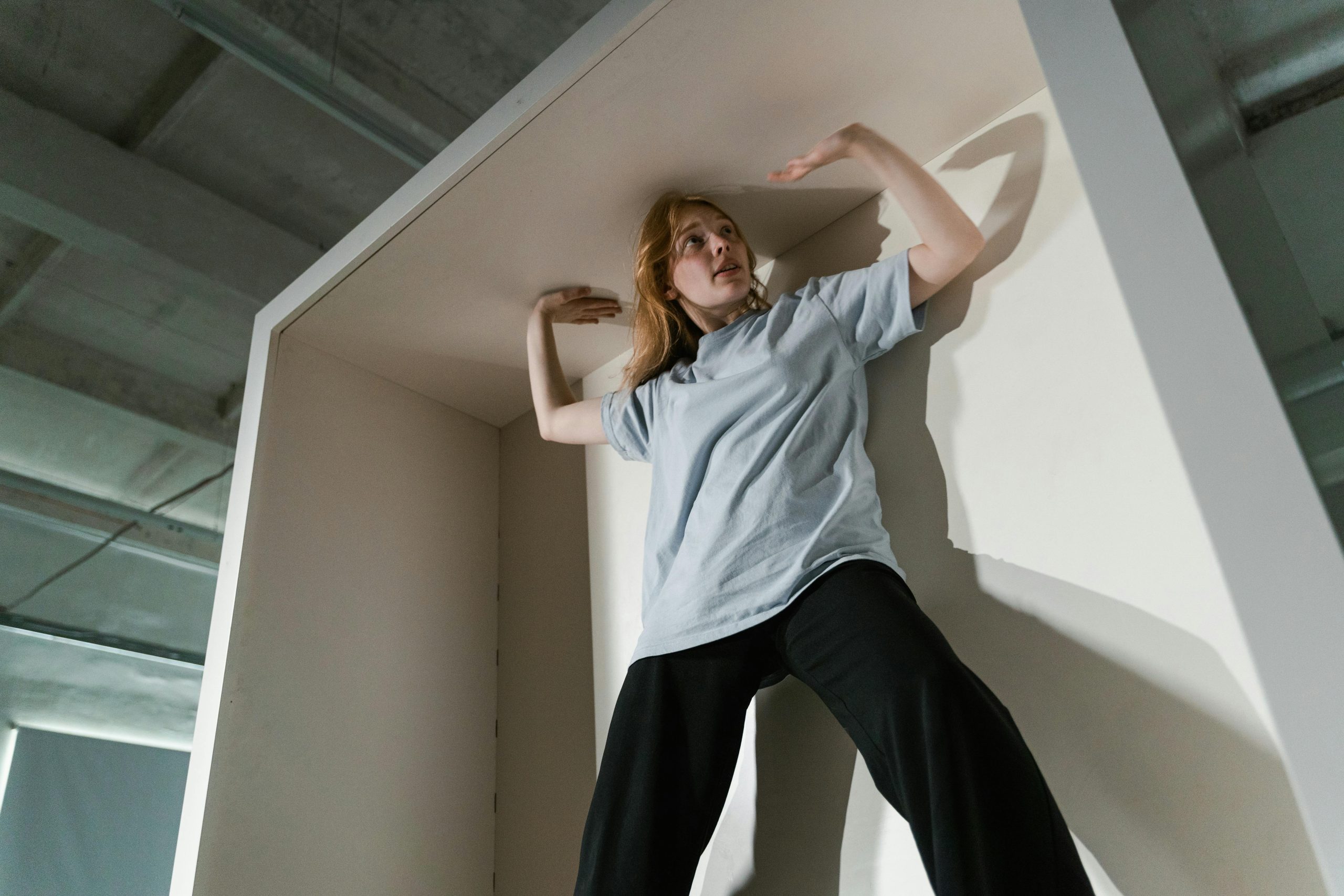
Has it ever happened that you are going about your day, everything seems to be going well, and then suddenly, out of nowhere, a load of intense fear crashes over you? Or has it ever happened that unexpectedly your heart begins to beat faster, your hands get sweaty, you feel dizzy and out of breath, and feel like you are losing control and that the world is closing in around you? While panic attacks can manifest with a wide range of symptoms, they often include the aforementioned.
First things first. While panic attacks can be very distressing and scary, they are typically not life-threatening. Also, those overwhelming symptoms are like a passing storm and usually disappear within a few minutes.
So, what can you do if you experience a panic attack? These are strategies that some people have found to be helpful:
- Acknowledge you are Having a Panic Attack. Recognizing that you are experiencing a panic attack and that it is temporary and not life-threatening.
- Repeat a Mantra. “I’m having a panic attack, it is uncomfortable but it’s harmless and temporary” – “This, too, will pass” – “This is uncomfortable, but not dangerous”
- Anchor yourself to the Present Moment. Bring your attention back to the ‘here-and-now” by using grounding techniques. For example, use the 5-4-3-2-1 exercise to re-engage your senses and remove focus from the anxiety symptoms : What are 5 things you can see? Look for details, patterns, or objects around you and name them.
- What are 4 things you can touch? Notice how you clothes feel on your skin, the feeling of the surface you are sitting in or standing.
- What are 3 things you can hear? Pay attention to the sounds around you…maybe that of cars, the wind, voices, or music.
- What are 2 things you can smell? Smell of flowers, a candle, air freshener, essential oils (you can keep one in your purse/pocket, or lotion.
- What is 1 thing you can taste? Carry with you a candy, gum, granola bar or other small snacks in case you need them and focus on the flavors.
- Shift your Sensory Experience. Splash your face with cold water or rub it with an ice cube, as it can work as a grounding technique.
- S l o w y o u r B r e a t h i n g. Rather than taking fast and shallow breaths, slowly inhale as you count to 4, and exhale as you count to 4. Quick breathing can worsen panic-like symptoms.
Although these strategies can be useful to some people, they may not work for everyone. Dealing with panic attacks involves finding coping strategies that work for you. If you are experiencing panic attacks that are impacting your quality of life, relationships, or your performance at school or work, consult with a mental health professional to develop a treatment plan.
At Insight Neurocognitive and Behavioral Center we offer different services tailored to diagnosis and treatment of panic attacks and other anxiety and mental health disorders. Contact us to learn more about psychotherapy, stress-management groups, and workshops that provide education on anxiety and its management.
Of note, the information provided in this blog is intended for general informational purposes only. It is not a substitute for professional medical advice, diagnosis, or treatment. Some of the symptoms of panic attacks can overlap with those of other medical conditions, including heart problems, respiratory issues, and more. Therefore, if you or someone you know experiences symptoms that resemble a panic attack but are concerned about their physical health, it is crucial to consult with a healthcare professional for a thorough evaluation. The publisher of this blog is not responsible for any actions or decisions made based on the information provided herein.